


 |
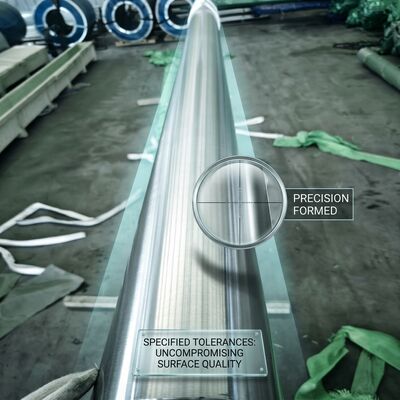
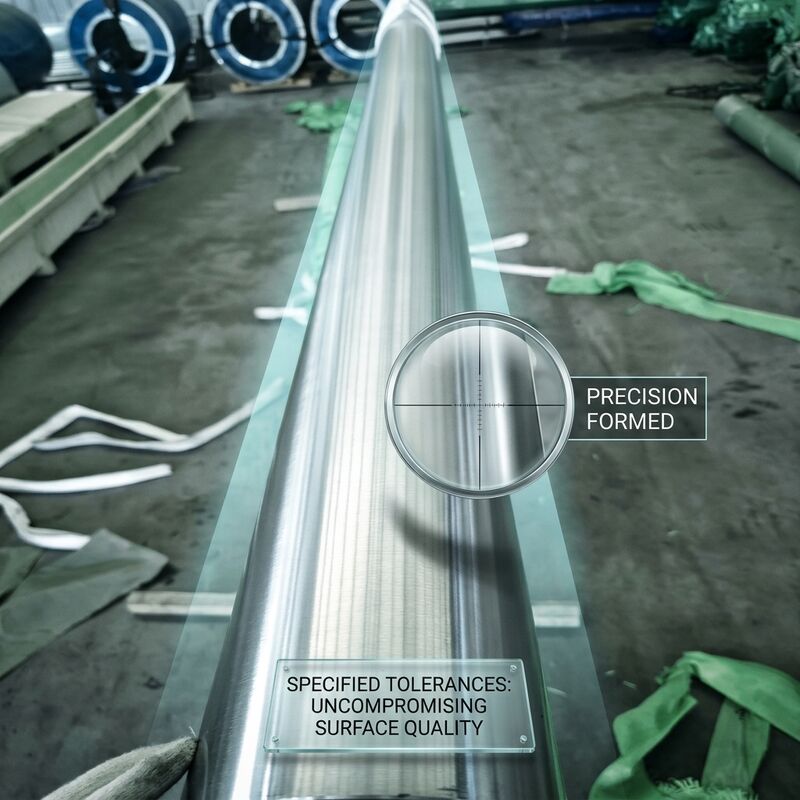
Heat Treatable 410 Stainless Steel Round Bar Martensitic Stainless Steel Bar 6-300mm Diameter for Cutlery Blades
Product Details:
| Place of Origin: | Shanxi, China |
| Brand Name: | Taigang |
| Certification: | ISO 9001:2015, EN 10204 3.1 MTC |
| Model Number: | 410 Round Bar |
Payment & Shipping Terms:
| Minimum Order Quantity: | 500 Kilograms |
|---|---|
| Price: | USD 2200-6500 / Metric Ton |
| Packaging Details: | Interleaved bundles, steel strapped, seaworthy wooden crate with timber dunnage |
| Delivery Time: | 7 days for stock sizes, 20-30 days for custom cutting |
| Payment Terms: | T/T, L/C at sight |
| Supply Ability: | 800 Metric Tons per Month |
|
Detail Information |
|||
| Diameter Range: | 6mm - 300mm | Length: | 3000mm / 6000mm Or Fixed Cut |
|---|---|---|---|
| Tolerance: | H9 / H11 | Surface Finish: | Pickled, Peeled, Turned Or Ground |
| Condition: | Solution Annealed / Annealed | Test Certificate: | EN 10204 3.1 |
| Delivery State: | Straight, Chamfered Ends On Request | ||
| Highlight: | Heat Treatable Martensitic 410 Bar,Hardened to 40 HRC,Cutlery Blade Round Rod |
||
Product Description
410 is the basic martensitic stainless steel, containing about 12 percent chromium with a carbon level up to 0.15 percent. Unlike the austenitic grades, it is magnetic and can be hardened by austenitising and quenching, then tempered to a chosen hardness and toughness balance, which makes it the workhorse alloy for cutlery, shafts and wear-resistant hardware.
We supply 410 round bar from 6mm to 300mm in annealed, peeled or ground condition, with hardness and microstructure verified on every heat. Bars can also be supplied pre-hardened and tempered to a specified range where the customer prefers to machine finished parts without a subsequent heat treatment step.
- Through Hardening Response: Austenitising at 980 °C to 1050 °C followed by oil or air quenching develops a fully martensitic structure that responds predictably to tempering across the 200 °C to 650 °C range.
- Hardness to 40 HRC and Above: A low-temperature temper after quenching delivers 40 HRC or higher for blades and wear parts, while a higher temper trades hardness for toughness in shaft and valve applications.
- Magnetic and Machinable: The ferromagnetic martensitic structure allows magnetic clamping and inspection, and the annealed condition machines cleanly with carbide tooling at conventional speeds.
- Moderate Corrosion Resistance: Around 12 percent chromium provides useful resistance to atmospheric exposure, fresh water, mild organic acids and food contact, which is adequate for cutlery and general hardware.
- Predictable Heat Treatment: Because the composition is tightly controlled around the eutectoid balance of chromium and carbon, distortion and hardness scatter between heats stay small, which matters for repeat batch hardening.
- Weldability With Precautions: The grade can be welded with 410 or 309L filler for non-critical joints provided preheat and a post-weld temper are applied; we supply the recommended procedure with each shipment on request.
| Grade / UNS | 410 / S41000 |
|---|---|
| Chemical Composition | C 0.15 max, Cr 11.5–13.5, Mn 1.0 max, Si 1.0 max |
| Standard | ASTM A276, ASTM A479, ASTM A182 |
| Diameter Range | 6mm – 300mm |
| Condition | Annealed 830–885 °C, slow cooled; or hardened and tempered |
| Tensile Strength | 480 MPa minimum annealed; 1300 MPa typical hardened |
| Yield Strength | 275 MPa minimum annealed; 1000 MPa typical hardened |
| Elongation | 20% minimum annealed |
| Hardness | 155 HB max annealed; 40 HRC typical hardened |
| Tolerance | h9 / h11 drawn, ±0.05mm ground on request |
| Surface Finish | Pickled, turned, peeled, ground, or polished Ra 0.8 |
| Length | 3000mm / 6000mm random or fixed cut to 0.5mm |
| Test Certificate | EN 10204 3.1 mill test certificate per heat |
410 is annealed at 830 °C to 885 °C and slow cooled to produce a soft ferritic carbide structure suitable for machining and cold forming. Hardening is carried out at 980 °C to 1050 °C with an oil or air quench, followed immediately by tempering to avoid cracking. Tempering between 400 °C and 580 °C should be avoided where toughness matters, because that band produces a pronounced drop in impact strength. Machining is best performed in the annealed condition with generous coolant, as the hardened material requires ceramic or CBN tooling.
Typical uses include cutlery blades and kitchen tools, surgical and dental instrument handles, valve stems and trim, pump shafts, mining screen hardware, bolts and nuts for mild service, hand tool bodies, turbine blades for steam service, mould inserts, and wear plates. It is also used for components, measuring instrument parts and general hardware where hardness and moderate corrosion resistance are both needed.
Annealed bar is supplied with protective wrapping and end caps, bundled with steel strapping and packed in seaworthy crates with timber dunnage. Hardened and tempered bar is packed with additional protection against impact damage and labelled with the achieved hardness range. Certificates include chemistry, hardness survey along the bar and, on request, Charpy impact results.
Quote enquiries should state grade 410, diameter, condition (annealed or pre-hardened), target hardness range, finish, length and quantity. We can supply peeled or centreless ground bar to h9, cut blanks, and bars with certified hardenability data. If a specific tempering temperature or impact requirement applies to your part, include it in the enquiry and our metallurgists will confirm the processing route.
